

Our Complete Housebreaking Support Center
🐾 Housebreaking challenges are one of the most common concerns dog owners face — whether you have a new puppy, a recently adopted rescue dog, a senior dog experiencing incontinence, or a well-trained dog going through a temporary setback.
If your dog is peeing in the house, marking indoors, or having nighttime accidents, you are not alone — and this situation is almost always manageable with the right structure, patience, and consistency.
At BellyBands.net, we have helped thousands of families work through housebreaking issues successfully. With over 50 years of hands-on dog experience, we understand how frustrating and discouraging accidents can feel — especially when you are trying to do everything right.
Below, you’ll find clear guidance, training options, and practical solutions for every stage of housebreaking. Our goal is simple: to help you live comfortably with your dog and build a rewarding, lifetime relationship — without constant stress over accidents.
If you ever need reassurance or guidance specific to your dog’s situation, you can contact us anytime at:
We’re here to stand with you throughout the housebreaking process — and for the lifetime of your dog.
There are many different solutions, and together we will find the one that works best for you and your dog. 💛
Explore Our Housebreaking Support Center
- Housebreaking a Rescue Dog
- Male Dog Marking Solutions
- Nighttime Accidents
- Senior Dog Incontinence
- Traveling & Visiting Family
- Female Dog Diapers & Heat Cycles
- House Training Setbacks
- Adult Dog Marking Controlling and stopping wetting in the house.
- Puppy Housebreaking Teaching puppies to become reliably housebroken.
Adult Dog Marking
Marking is a Dog Housebreaking Problem that can be Controlled
The key to dog housebreaking is to prevent your dog from placing his urine scent in the house. Sounds simple to solve… but often it’s not. Dogs that mark in the house desire to leave their scent on carpets and furniture. They “mark” these items as their territory. Being creatures of habit, they are attracted to repeat their marking in these same spots by the urine odor.
Step #1
- The first step to control this bad marking behavior is to clean any areas where your dog has urinated.
- Use a product made specifically to remove and deodorize dog urine.
- You can find hidden soiled areas easily with the use of a blacklight. Urine-stained areas will glow when the blacklight is shined on them. You will be surprised at all of the hidden areas you will discover. Once you find the areas that need to be cleaned, use a product made specifically to remove urine stain and odor. Products such as baking soda or club soda won’t break down the urine and thoroughly remove it from your carpet and furniture. Unless the urine is completely removed, your dog will recognize even the smallest scent that you can’t notice. This will draw your dog to re-mark the area.
Step #2
- The second step in controlling dog marking behavior is to preventing their opportunity to wet in the house. Your dog should be loose in the house only when you can watch them at all times. This means that if you are busy and unable to watch your dog, it should not be allowed to go into any room where you cannot watch them carefully, even for a few seconds. Many dogs are sneaky markers. A few unsupervised “seconds” can lead to urine marking that you might not immediately notice. Each time your dog successfully marks in the house, it reinforces this behavior and their desire to do so.
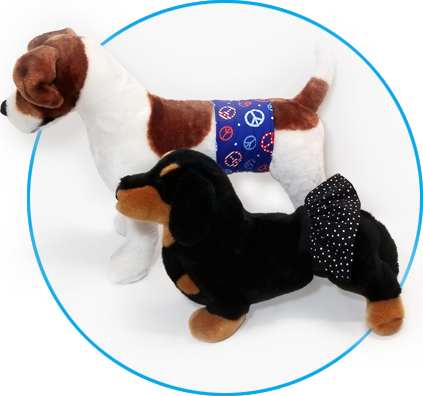
Belly Band Training Help…
- Many owners who have dogs that are ruining carpet and furniture but can’t watch their dogs every minute use belly bands as a dog housebreaking aid. These bands help control urine marking and train dogs not to wet in the house. Bellybands comfortably wrap around your dog’s tummy. An inexpensive sanitary maxi pad or poise pad is placed in the bottom of the band. When the dog tries to mark in the house, urine is absorbed by the pad, and carpet and furniture remain clean. Dogs cannot leave their scent or mark their territory. This prevents soiled areas that would attract them to re-wet in the future.
- Dogs dislike wetting in the belly band, and it serves as a constant reminder to your dog not to wet in the house. Many dogs are reliably housebroken with the use of belly bands. For those persistent markers, belly bands help to keep homes smelling fresh, clean and urine-free. Boy belly bands can be found here… Girl belly bands can be found here…
Using puppy gates…
- If you are away from home for a long time during the day, your dog should not be allowed to have unsupervised run of the house. If your dog is unsupervised and allowed to wet on carpet and furniture while you are away, it will be virtually impossible to reliably housebreak them. Ideally, when you are not home you should keep your dog in one room that has an easy-to-clean flooring such as tile. Child gates or puppy gates can be used to block off the entrance to the rest of the house and keep your dog confined to the one room.
- If you have a doggy door, keep your dog confined to a small area around the doggy door. This will prevent your dog from developing bad housebreaking habits while you are away.
Puppy Housebreaking
- Puppy potty training takes patience and consistency. Don’t give up! Keep in mind that puppies are unable to completely control their bowels until they are about four to six months old. You will have some success during the early months; however, you should expect accidents.
- To avoid difficult clean-ups, keep puppies supervised at all times. If you can’t do this, keep them on an easy-to-clean surface such as tile or use a belly band occasionally to prevent marking on carpet until you are certain that your pup is housebroken. Once you allow your pup to urinate in the house, they are likely to return to the same spot the next time they have to relieve themself. Puppy housebreaking requires that you let them outside often to potty. At first, we recommend that you let your pup outside every hour, if possible.
- Your puppy should always be encouraged to potty just before you retire for the night.
- Likewise, as soon as they wake up in the morning, the first thing your pup will need to do is relieve themself. You should waste no time in taking them outside as soon as they awake. When your pup hears you get up in the morning, it will be their signal to wake. Attend to them before going about your morning routine.
Potty Pad Training Help…
- You can also use a potty pad in the house to train your dog. Washable, reusable potty pads train your puppy to potty in one spot. You can also use disposable potty pads.
- When your dog is older, you can move the pad close to the door where they are taken outside to potty.
- Eventually the pad can be moved outside. After that, your dog will be trained to potty outside and you won’t need to use a pad.
In the beginning, you are the most important part of puppy training…
- Some pups may cry that they need to potty at the first sign of light. If you want a dry floor or crate it is usually necessary to immediately respond to their needs.
- Your pup will also have to relieve themself shortly after a meal and will need to urinate more often during the summer when their water intake is higher. As soon as your pup finishes dinner, take them to their outdoor place to potty for several minutes until they relieve themself.
- At other times, you may notice your pup sniffing the floor for a suitable place to go. They may whimper or start to squat. Scoop them up immediately and place them outside.
- As with adult dog marking, the key to puppy housebreaking is to prevent them from leaving their urine scent in the house. Dogs, being creatures of habit, are enticed to mark in these same spots by the urine odor. If your puppy does wet in the house, clean any areas where your dog has urinated with a product made specifically to clean and deodorize dog urine.
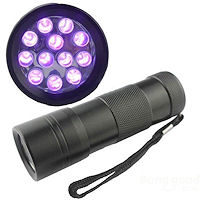
Blacklights help keep things fresh and clean…
- You can find hidden soiled areas easily with the use of a blacklight. Urine-stained areas will glow when a blacklight is shined on them. You will be surprised at all of the hidden areas you will discover. Once you find the areas that need to be cleaned, use a product that will remove the stain and odor. Products such as baking soda or club soda won’t break down urine or thoroughly remove it from your carpet and furniture. Unless the urine is completely removed, your dog will recognize even the smallest scent that you can’t notice, and they will be drawn to re-wet the area.
Scolding isn’t a part of training…
- If your puppy does have a potty accident in the house, scold them only if you catch them in the act. Don’t scold them even a minute or two after they have made a mess. It will confuse them because they will not know why they are being scolded. Scolding should never be physical. Do not ever hit your puppy or dog.
- If you catch your puppy in the act of relieving themself in the house, pick them up and say “No” in a firm voice. Do not yell. Immediately take them to the outside area where you want them to relieve themself or to their indoor potty or pee pad. Never rub their nose in the mess or hit them. This will cause them to fear you and will make future obedience training more difficult. Be sure to clean the soiled area with a product intended for dog housebreaking accidents.
Belly Band Training help…
- Many puppy owners who can’t watch their dogs every minute use belly bands as a puppy housebreaking aid. These bands help to control urine messes when your puppy is on carpet, sofas or beds or when you take your puppy to a friend’s house or a hotel where you are concerned about their wetting. They keep urine from getting into household areas that might encourage your puppy to mark in the same area again.
- Belly bands comfortably wrap around your dog’s belly and a sanitary maxi pad is placed in the bottom of the band. When the puppy wets, urine is absorbed by the maxi pad and carpet and furniture remain clean. This is a great, occasional use product for puppies that can help to keep areas clean and reinforce housebreaking.
- Belly bands do not take the place of normal puppy housebreaking. They are simply an aid to help prevent messes in certain situations. You should always work at housebreaking your pup.
Don’t Leave Your Puppy Loose in the House
- Another important part of puppy housetraining is to be proactive and prevent your dog’s opportunities to wet in the house. This will take time, effort, and patience on your part. However, it will make the puppy housebreaking process move along much quicker and will pay in the long run.
- When housebreaking your puppy, the most important thing to remember is that your dog should be loose in the house only when you can watch them at all times. This means that if you are busy, your puppy should not be allowed to go into any room where you cannot watch them carefully, even for a few seconds. Puppies can wet quickly and without notice. A few unsupervised “seconds” can lead to urine spots that you might not immediately notice. Each time your dog successfully marks in the house, it reinforces this behavior and desire to do so.
- If you are away from home during the day, your puppy should not be allowed to have unsupervised run of the house. Ideally, when you are not home you should keep your puppy in a suitable kennel or in one room. That area should have an easy-to-clean flooring such as tile. Child gates or puppy gates can be used to block off the entrance to the rest of the house and keep your pup confined to the one room. If you have a doggy door, keep your puppy confined to a small area around the doggy door.
- You can also place a pee pad or housebreaking pad on the floor if your pup does not have quick access to the outdoors.. Washable, reusable Dog Pee Pads can help to train your dog to wet on the pad. After your dog reliably uses the pad, you can move it close to the door where they are taken outside to potty. The pad can eventually be moved outside. After that, your dog will be trained to potty outside, and you won’t need to use a pad.
To crate, or not to crate…
Puppy Housebreaking can be quickened if your pup sleeps in their crate. Dogs dislike sleeping in a soiled area. Your puppy will soon learn to wait until you let them out of their crate to do their business. Of course, it may take a few months before your puppy is able to hold their bowels all night. As they gets older, they will have fewer and fewer accidents. Expect this and never scold them for accidentally soiling their area at night.
With your help, effort, patience and consistency, your puppy will eventually become housebroken. Bellybands can remind them not to wet and prevent them from developing a habit of wetting in the same places, but should not be used in place of normal puppy housebreaking.
Bellybands Order Online
Housebreaking FAQs
- How long does it usually take to housebreak a dog?
Housebreaking time varies depending on your dog’s age, routine consistency, and past habits. Puppies may take several weeks to months, while adult dogs or rescues may take longer if they have established marking behaviors. - Why does my dog keep peeing in the house even after training?
Common reasons include inconsistent schedules, marking behavior, stress, changes in routine, or medical issues. If accidents start suddenly, a vet check is always a good idea to rule out a urinary tract infection or other physical issue. - What is the difference between housebreaking accidents and marking?
Accidents usually involve larger amounts of urine and happen due to incomplete training. Marking typically involves small amounts of urine placed on vertical surfaces and is often driven by territorial behavior. - Do belly bands help with housebreaking?
Belly bands are a management and training aid. They help prevent indoor accidents while you work on consistent routines, supervision, and positive reinforcement. Many dogs are housebroken with the help of belly bands. - Should I punish my dog for housebreaking accidents?
No. Punishment often increases anxiety and can make housebreaking problems worse. Focus instead on prevention, routine, supervision, and rewarding your dog for eliminating in the correct place. - How do I stop my dog from marking in the house?
Clean all previously marked areas with an enzymatic cleaner, supervise closely, limit access to problem areas, and use management tools such as belly bands while retraining. - Can adult dogs be housebroken successfully?
Yes. Adult dogs can learn new habits with consistency, patience, and clear routines. Many adult dogs and rescues become reliably housebroken with the right approach.
🐾 Traveling with your dog can sometimes lead to unexpected accidents, even in well-trained dogs.
That’s why many pet parents rely on our belly bands when staying in hotels, vacation rentals, or visiting family.
Learn more about how our belly bands are used while traveling: Dog Belly Band for Travel
- Is your housebroken dog having a setback and wetting in the house again?
Our washable, reusable belly bands help protect your home while your dog gets back on track. - Shop Belly Bands for Male Dogs
- Prefer a band without elastic? Take a look at our Non-elastic belly bands.
- Well-housebroken dogs can still have accidents when visiting away from home.
- See how dog belly bands can help during visits with family and friends.
- Explore how Dog diapers for female dogs can help your dog with heat cycles, house training, incontinence or travel stress.
- Elastic belly bands are often preferred for nighttime use. Read about how to control nighttime & overnight accidents.
- For dogs who mark indoors, see how belly bands are used to help. Manage male dog marking behavior
- Learn about housebreaking tips for your rescue dog.
3 Comments
Leave a reply
You must be logged in to post a comment.
Pee. Pee everywhere. (And I mean everywhere.) 9 years ago
[…] Carrying him outside would help but if he's too big that won't work A Belly Band might be useful Housebreaking Tips for Training Your Dog | The Official BellyBands.net Website!!! Hang in […]
Carol 7 years ago
Yes Belly bands have been a great aid in keeping my house clean and urine free! My 6 mo old doesn’t mind them and I take him out every couple hours! He pees a couple times and poops 2-3 times a day now and doing great! So glad I found out about Belly bands . We are almost housebroken!! A great discovery!
flyflv 6 years ago
You mark your stuff by putting your name on it; your dog marks their with urine. We’ve covered why dogs submissively urinate, now here’s how to prevent urine-marking behaviors before they happen in your house.