
🐾 Male Dog Marking Indoors: Real Solutions That Work
If your male dog is marking inside your home, you’re not alone—and you’re not dealing with a housebreaking failure. Male dog marking indoors is a common behavioral issue that can happen even in fully trained dogs. It’s usually triggered by instinct, territory, stress, or environmental changes—not because your dog doesn’t know better. The frustration is real: spots on furniture, walls, carpets, and constant cleanup. The good news is that marking can be controlled and significantly reduced with the right approach. In this guide, you’ll learn exactly why male dogs mark indoors, what triggers it, and the most effective ways to stop the behavior—while protecting your home in the process.
Why Do Male Dogs Mark Inside the House?
Marking is very different from a typical bathroom accident. When a male dog marks, he is not emptying his bladder. Instead, he is leaving small amounts of urine as a form of communication. This behavior is instinctive and deeply rooted in how dogs interact with their environment.
There are several common reasons why male dogs begin marking indoors:
Territorial behavior: Dogs often mark to claim or reinforce their space. This is especially common in homes with multiple pets or frequent visitors.
New smells or changes: A new dog, a visiting pet, a baby, or even unfamiliar scents brought into the home can trigger marking.
Stress or anxiety: Changes in routine, moving to a new home, or disruptions in the household can lead to marking behavior.
Hormones: Intact males are more likely to mark, but neutered dogs can still develop the habit.
Understanding the cause of your dog’s marking behavior is the first step in stopping it effectively.
Is Marking the Same as a Bathroom Accident?
Many dog owners assume their dog is having accidents when they find urine spots around the house. However, marking behavior is very different from a true housebreaking issue.
A dog that is marking typically releases small amounts of urine on vertical surfaces such as walls, furniture, or corners. This is intentional and repeated in the same areas. In contrast, a bathroom accident usually involves a larger amount of urine and happens when a dog cannot hold it.
Because marking is behavioral rather than physical, simply taking your dog outside more often will not solve the problem. The solution requires a combination of training, management, and prevention.
How to Stop Male Dog Marking Indoors
Stopping marking behavior takes consistency, patience, and the right strategy. The goal is to remove triggers, prevent repetition, and reinforce better habits.
Here are the most effective methods:
Clean Marked Areas Thoroughly
Always use an enzyme-based cleaner to remove urine odors completely. Standard household cleaners may leave behind traces that your dog can still smell, encouraging repeat marking in the same spot.
Interrupt the Behavior Early
Watch for warning signs such as sniffing, circling, or lifting a leg. If you catch your dog in the act, calmly interrupt and take him outside immediately.
Increase Supervision
Dogs who are marking should not have full access to the house unsupervised. Keep your dog in the same room with you or use gates to limit access to problem areas.
Reinforce Outdoor Success
Every time your dog urinates outside, reward him immediately with praise or a treat. This reinforces the behavior you want.
Maintain a Consistent Routine
Dogs thrive on routine. Regular feeding and potty schedules reduce confusion and help prevent marking triggers.
Step-by-Step Plan to Stop Male Dog Marking
If your dog has developed a habit of marking indoors, following a structured plan will give you the best results.
Step 1: Remove All Existing Odors
Start by thoroughly cleaning every marked area with an enzyme cleaner. Even faint odors can trigger repeat marking.
Step 2: Limit Access to Problem Areas
Close doors or use baby gates to prevent your dog from returning to previously marked locations.
Step 3: Supervise and Interrupt
Stay alert and interrupt any attempt to mark. Immediately guide your dog outside.
Step 4: Use Belly Bands for Immediate Protection
While training is in progress, belly bands provide instant protection for your home. They prevent urine from reaching surfaces and help break the marking cycle.
Step 5: Reward the Right Behavior
Consistently reward your dog for going outside. Positive reinforcement is key to long-term success.
With consistency, many dogs begin to show improvement within a few weeks.
How Belly Bands Help Stop Indoor Marking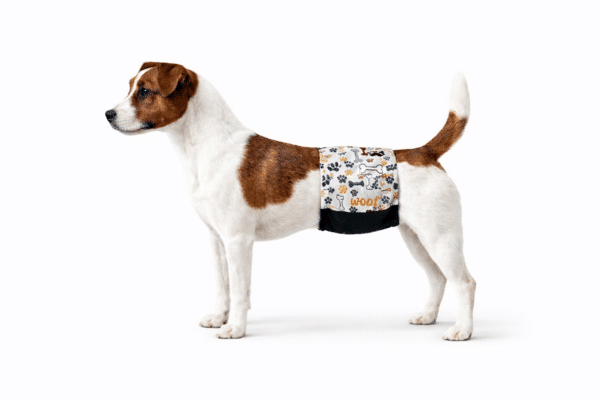
Dog belly bands are one of the most effective tools for managing male dog marking indoors. While training works on changing the behavior over time, belly bands provide immediate protection and peace of mind.
A belly band wraps securely around your dog’s waist and holds an absorbent pad in place. If your dog attempts to mark, the band catches the urine before it reaches your floors, furniture, or walls.
Belly bands are especially useful because they:
-
Protect your home from repeated damage
-
Prevent your dog from reinforcing the marking habit
-
Allow you to continue training without constant stress
-
Help manage marking during transitions or changes
They are particularly helpful for rescue dogs, newly adopted dogs, or situations where marking is triggered by visitors or new pets.
Common Situations That Trigger Marking
Certain situations are more likely to trigger marking behavior in male dogs. Recognizing these can help you stay one step ahead.
Visitors in the home: New scents can lead to territorial marking.
New pets: Dogs may mark to establish their space.
Moving or travel: Unfamiliar environments often increase marking behavior.
Recently adopted dogs: Adjustment periods frequently include marking.
Changes in routine: Even small disruptions can trigger behavior changes.
Mistakes That Make Marking Worse
Avoiding common mistakes can make a big difference in how quickly your dog improves.
Punishing your dog after the fact
Dogs do not connect punishment with past behavior. This can increase anxiety and make marking worse.
Using the wrong cleaning products
Without enzyme cleaners, scent remains and encourages repeat marking.
Giving too much freedom too soon
Dogs need structure and supervision while learning new habits.
Relying only on one solution
Training, management, and prevention must work together for best results.
Male Dog Marking FAQs
Why does my male dog suddenly start marking indoors?
Changes in environment, routine, or new smells are the most common triggers. Even well-trained dogs can begin marking under the right conditions.
Will neutering stop marking behavior?
Neutering can reduce marking in some dogs, but it does not guarantee the behavior will stop completely.
Do belly bands stop marking completely?
Belly bands prevent the mess immediately, but training is still necessary to reduce the behavior long-term.
How long does it take to stop marking?
With consistent training and management, many dogs show noticeable improvement within a few weeks.
🔹 Related Real-Life Situations
Male dog marking often overlaps with other situations, such as:
-
Visiting family or guests
-
Traveling or staying in new environments
-
House training setbacks
👉 Learn how belly bands help when visiting family and guests.
👉 See how belly bands support house training setbacks.
Looking for a belly band to help manage male dog marking behavior?
Many dog owners choose our washable, reusable non-elastic belly bands based on comfort and personal preference.
👉 Shop Non-Elastic Belly Bands for Male Dogs
Some owners prefer elastic styles — elastic belly bands are also available.